
If you’ve ever worn braces on your teeth, you may have worn a retainer after your treatment was done. You may still own the retainer your orthodontist gave you.
But if your teeth have shifted out of alignment since then, you may be asking, “Should I be wearing my old retainer to help straighten my teeth?”
And if you’ve never had orthodontics but want straighter teeth, you may even be wondering, “Could I skip the braces and go right to wearing a retainer?”
We’ve heard these questions from patients at Penn Dental Family Practice (PDFP) more than once. So let’s consider the role retainers play in orthodontic treatment, and how effective they are at straightening teeth and keeping them straight.
A Brief Refresher on Retainers
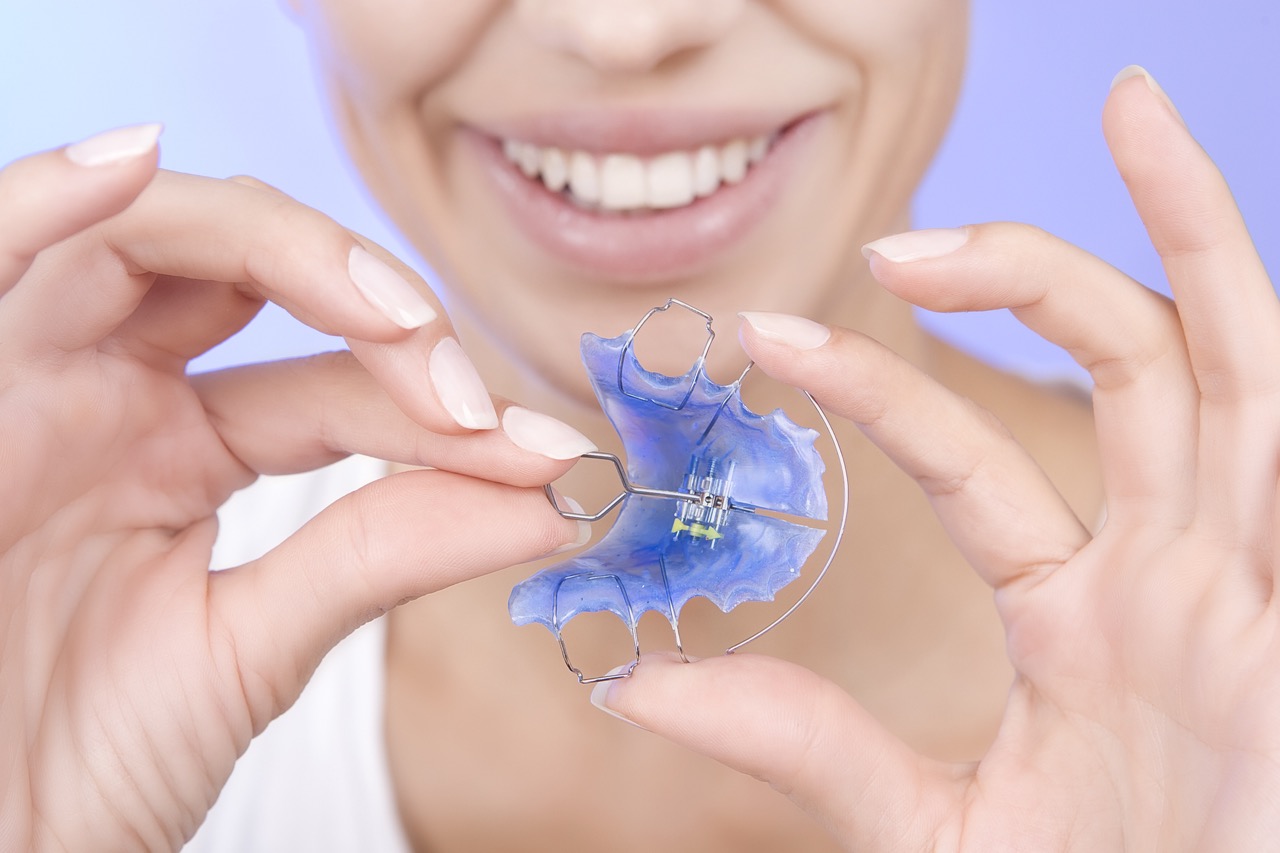 Braces or aligners guide your teeth into new positions. A retainer is a custom-made dental appliance designed to keep them there.
Retainers can be fixed or removable. Fixed retainers are permanently bonded to the teeth, usually on the lingual surface (the side facing the tongue). Removable retainers can be taken out, typically for eating and cleaning.
Retainers are made from medical-grade materials designed for durability and comfort. The most common materials include acrylic, used in traditional Hawley retainers, and clear thermoplastic, used in aligner-style retainers.
Retainers are an essential part of post-orthodontic care. They ensure all the hard work done during your treatment isn’t undone as your teeth naturally try to shift back to their original positions.
Do Retainers Straighten Teeth on Their Own?
The short answer is, “Sometimes.”
In some cases, wearing a retainer can help shift teeth slightly. Patients with mild spacing issues or minor misalignments can benefit from retainers alone. These people typically need only small, incremental adjustments.
However, retainers aren’t suitable for patients with significant crowding, complex bite issues, or severe misalignment. Such cases call for more comprehensive solutions like braces or clear aligners.
Ultimately, an orthodontist must evaluate each patient to determine if a retainer can help straighten their teeth or not.
Finding the Best Option for Straightening Your Teeth
If you’re interested in teeth-straightening retainers because you want to avoid more involved orthodontic treatment, you should first know that braces have come a long way.
The brackets in traditional braces are smaller than they once were. They can be made to look more attractive, or even placed on the lingual side of the teeth so they aren’t seen at all. Also, conventional braces now use far fewer rubber bands (and sometimes, not any).
You might also be a candidate for “invisible braces”—clear, smooth, custom-made plastic aligners that gradually shift your teeth into proper alignment. About every two weeks, you visit your orthodontist for a progress check and for your next set of aligners.
Like retainers, aligners are removable. You take them out when you eat, which means you don’t have to deal with the prohibitions on sticky and chewy food that often come with traditional braces. You brush and floss as you normally would. But you must wear your aligners at least 22 hours a day to achieve the best results.
What To Know About Wearing Your Old Retainer
And what about wearing your old retainer to help straighten teeth?
If your orthodontist told you to keep wearing it, you should. Wearing your retainer after treatment helps ensure your gums and the bone in your mouth adapt to your teeth’s new positions.
If you don’t wear your retainer as instructed, your teeth can gradually shift back toward their original positions, undoing the progress you’ve made. Consistently wearing your retainer also reduces the likelihood of needing future orthodontic interventions.
If you haven’t been wearing your retainer but want to start wearing it again, doing so might be beneficial to some extent, particularly if the retainer still fits snugly and isn’t uncomfortable.
It’s important, though, that you consult with an orthodontist first. Your old retainer may need adjustments. You may need to replace it altogether. Your orthodontist can assess whether your dental changes are mild enough to be corrected with the existing retainer or if you need additional interventions.
Remember: Teeth do naturally shift over time due to various factors like age and jaw growth. Regular follow-ups and proper retainer maintenance are the keys to keeping the benefits of orthodontic treatment.
Proper Care and Cleaning of Your Retainer
Proper cleaning and care of your retainer are essential to ensure its longevity and to maintain good oral hygiene:
- Rinse your retainer with lukewarm water after each use to remove saliva and debris. Avoid using hot water, as it can warp the retainer.
- Brush the retainer gently each day with a soft toothbrush and nonabrasive toothpaste.
- Soak the retainer weekly in a denture cleaner or a mixture of water and vinegar to eliminate bacteria.
- Always store your retainer in its protective case when you aren’t wearing it, and avoid placing it near pets or heat sources.
- Avoid wrapping your retainer in napkins. You or someone else might accidentally throw it away with your trash after a meal.
- Check the retainer for damage regularly.
By adhering to these simple practices, you can ensure your retainer remains effective and in good condition.
Straighten Your Teeth With Penn Dental Family Practice
While retainers can help maintain teeth alignment after braces, they’re usually not sufficient for significant straightening on their own. The best results come from comprehensive orthodontic treatment.
To find out for certain which method of straightening teeth is best for you, visit one of our expert orthodontists at PDFP. Among the most respected in their field, they use the latest technological advancements and tailor their effective care to each patient’s unique needs.
Schedule your orthodontic appointment at PDFP online now, or call us at 215-898-PDFP (7337).