Resource Library

Start Reading


It’s been a decade since an American Academy of Periodontology survey found that, for most Americans, cleaning a toilet, doing taxes, or listening to nails on a chalkboard rank higher than flossing teeth.
The results made for some funny news stories, but it’s unclear whether they had any effect on people’s oral health routines. Only about one in three U.S. adults reports flossing daily.
Here at Penn Dental Family Practice (PDFP), patients sometimes ask us, “How important is flossing teeth, really?”
The answer is, “Very!”
Read on for a refresher on why flossing matters, as well as tips for making it as effective as possible.
 Why is it important to floss? It’s the only effective way to clean the tight spaces between teeth and the spaces just below the gum line.
Those spaces are a breeding ground for hundreds of species of bacteria that feed on leftover food particles, forming a colorless, sticky biofilm called plaque. Plaque adheres to your teeth and gums, producing acids that erode tooth enamel, setting the stage for tooth decay.
In addition, plaque buildup along the gum line triggers an immune response that leads to inflammation. Red, swollen, bleeding gums mark the initial stage of gum disease, known as gingivitis. Left untreated, it can advance to periodontitis, a severe infection that destroys the bone and tissues supporting your teeth.
Because flossing disrupts plaque buildup that toothbrush bristles can’t reach, it’s an essential partner to brushing. Removing plaque between your teeth prevents bacterial acids from eating away at your enamel, and removing it along the gum line can reverse gingivitis.
The health benefits of flossing teeth extend beyond your mouth. Because oral health is intrinsically linked to overall well-being, flossing plays a vital role in protecting your entire body from systemic inflammation and infection.
Your mouth is a direct entry point to your bloodstream. Diseased and inflamed gums can let harmful oral bacteria enter circulation. They can travel throughout your body and contribute to such systemic health problems.
For instance, oral bacteria can contribute to the inflammation leading to hardened arteries (atherosclerosis), increasing the risk of heart attack and stroke.
As another example, severe gum disease can make it more difficult for people with diabetes to control their blood sugar. In turn, high blood sugar can worsen gum infections.
Bacteria from the mouth can also be inhaled into the lungs, where they could contribute to such respiratory infections as pneumonia, especially in people with compromised immune systems.
While flossing teeth is no guarantee against systemic health conditions, reducing the amount of bacteria between your teeth and along your gum line prevents chronic gum inflammation, reducing the overall inflammatory load on your body and promoting better overall health.
To get the best possible results from flossing, you need to use the right materials and the right method.
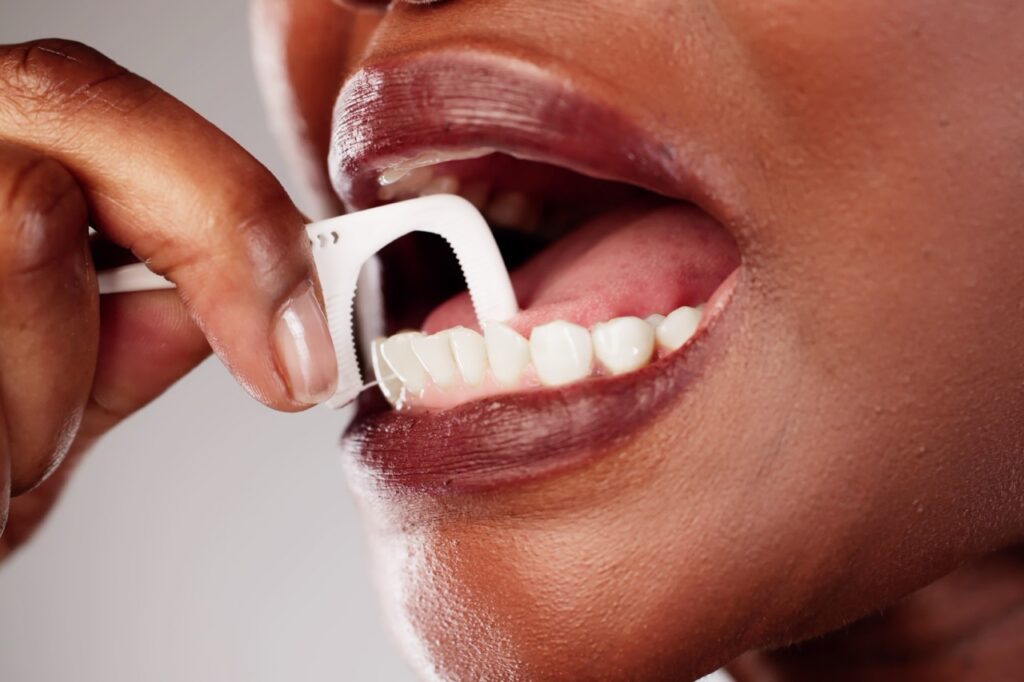 If you’re not used to flossing regularly or properly, some initial discomfort is natural.
If your teeth hurt after flossing, double-check your technique. Make sure you’re not
flossing too often or forcefully. Heightened gum sensitivity or preexisting gum disease
may also be the culprit. Look for persistent bleeding, swelling, or signs of infection,
which could indicate gingivitis or periodontitis.
If pain or bleeding persists after flossing correctly, make an appointment with your
dentist to rule out issues such as cavities, gum disease, or other oral health problems
that require professional treatment.
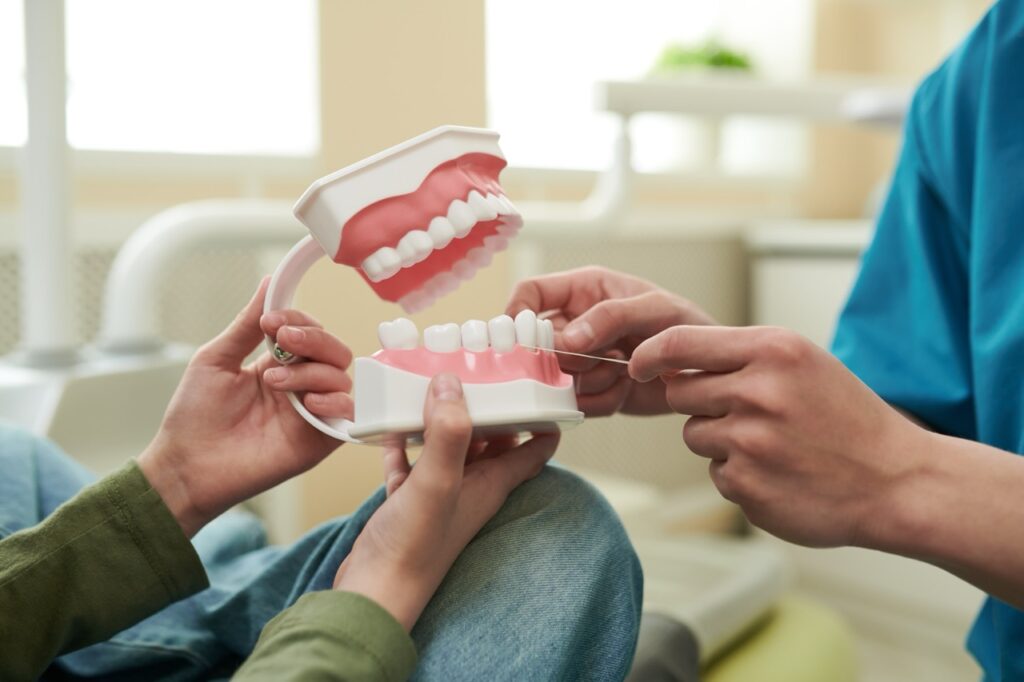 Flossing your teeth as part of your daily oral hygiene routine is one of the most critical things you can do to help prevent cavities and gum disease. Making and sticking with a regular schedule of dental checkups is another.
Make an appointment with the dental professionals here at PDFP.
We’ll give you the professional care and personalized advice you need to achieve and maintain your healthiest smile, addressing any potential issues before they become serious problems.
Schedule your appointment online now or call us at 215-898-PDFP (7337).