Resource Library

Start Reading


In the popular imagination, they’re less popular even than filing taxes or going to the office Christmas party.
But the modern root canal procedure doesn’t deserve to be ridiculed or regarded with dread. It’s a routine, highly effective way dentists ease patients’ suffering and preserve their natural teeth.
Let’s review the truth about root canals: what they are, how much root canal pain you should expect, and what happens during your procedure here at Penn Dental Family Practice (PDFP).
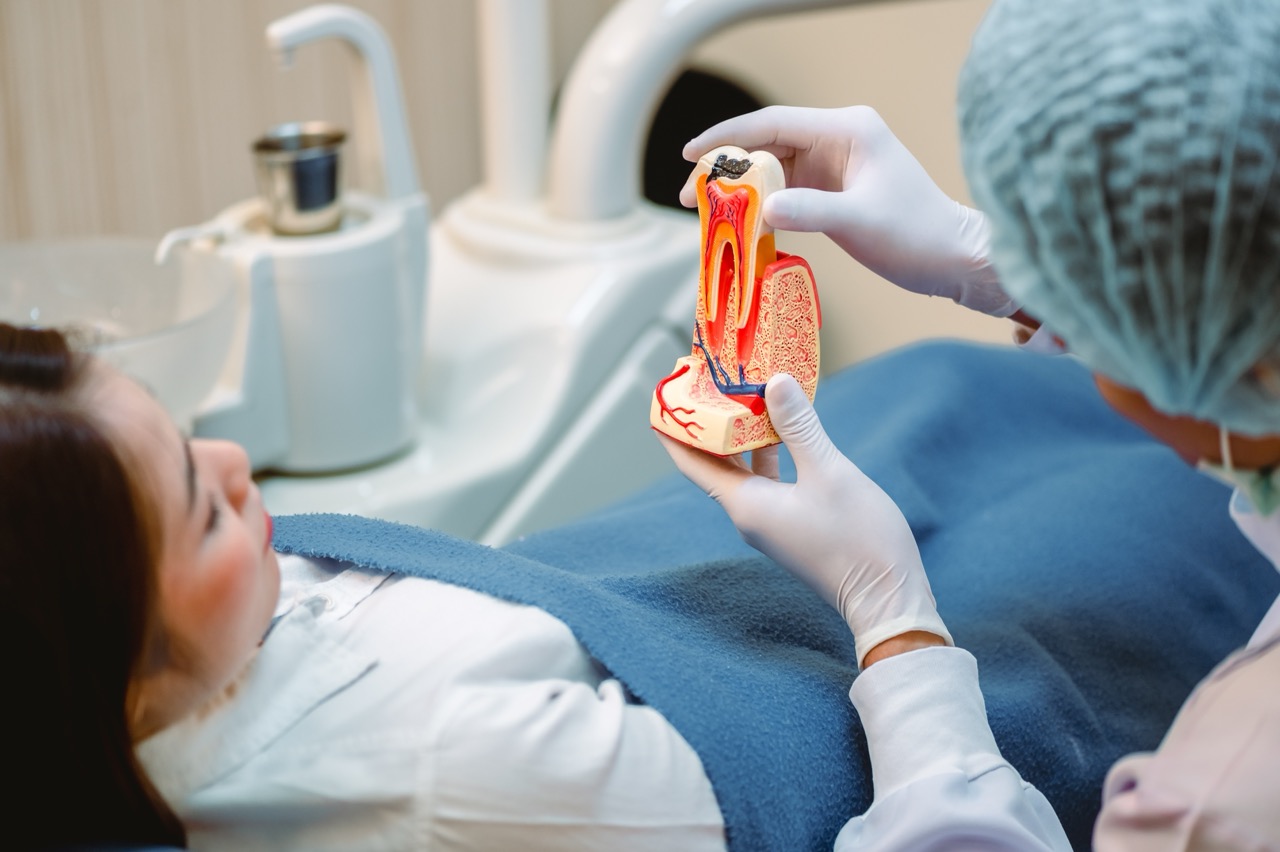 Anatomically speaking, the root canal is the narrow, hollow space, like a tube, inside the tooth’s root (the part of the tooth under the gums). A soft tissue called the tooth pulp fills this canal.
Tooth pulp contains blood vessels, nerves, specialized cells, and nutrient-providing connective tissue. Healthy pulp is vital for healthy teeth.
But when most dentists and patients talk about a “root canal,” they’re talking about the procedure used to save an infected or badly damaged tooth instead of removing it.
In a root canal procedure, your dentist:
A root canal procedure makes it possible for a formerly unhealthy tooth to stay in your mouth instead of needing to be extracted, and to keep functioning like any other, healthy tooth.
Bacteria can infect the tooth pulp due to several reasons, including:
Whatever the cause, when pulp becomes infected, it eventually dies, a process called pulp necrosis. If left untreated, the bacteria travel beyond the root tips, leading to a tooth abscess.
A tooth abscess causes significant discomfort and swelling. Immediate professional intervention is vital.
 Only your dentist can determine definitively whether you need a root canal procedure, but you might need one if you’re experiencing these common symptoms of infected teeth:
To diagnose your need for a root canal with certainty, your dentist will use X-rays to visualize your tooth’s root structure and identify the source of the infection. In complex cases, they may use advanced imaging or an electric pulp test (EPT) to determine if the tooth’s nerve center has been truly compromised.
General dentists can and do perform root canals. They received foundational training in the procedure during dental school.
Endodontists are dentists who specialize in saving teeth. The name of their specialty, endodontics, literally means “the study of what is inside the tooth.” They have finished two or more years of additional training in root canal procedures and other treatments related to the teeth’s nerves.
General dentists may refer a patient to an endodontist for a root canal if the case is a highly complex one, or if the patient needs a root canal retreatment (although the success rate of initial procedures is high, around 86%.)
Here’s a step-by-step overview of what you can expect as a root canal patient:
Your dentist or endodontist will use local anesthesia to numb the area thoroughly. The anesthesia keeps you from feeling sharp sensations during the procedure, and turns what could be a stressful experience into a calm, controlled one.
Your dentist or endodontist will place a rubber dam around the tooth. The dental dam keeps the area isolated and free of saliva, ensuring a clean, sterile environment for the procedure.
Your dentist or endodontist will make a small opening in the tooth’s crown to access the pulp chamber. Using precision endodontic instruments, they carefully remove the damaged tissue.
Your dentist or endodontist will clean the tooth’s internal canal system and shape it to ensure all bacteria are removed. They will use specialized irrigation solutions to disinfect the area, neutralizing the infection.
Once cleaned, the canals are filled with gutta-percha, a biocompatible material that seals the chamber to prevent future reinfection.
Thanks to the anesthesia, getting a root canal isn’t any more uncomfortable than getting a standard filling. The root canal pain people typically think about is actually the result of the infection itself, not the treatment.
The soreness you’ll feel after your procedure, once the anesthesia wears off, is normal but manageable. Over-the-counter medication like ibuprofen helps reduce inflammation, and acetaminophen manages pain. Be sure to follow your provider’s specific dosage instructions.
For the first 24 hours after your root canal, eat soft foods and be gentle when caring for your teeth.
By days two through four, your inflammation should subside, and you can resume normal hygiene. Most patients return to complete normalcy within one week.
If you experience extreme, throbbing pain or excessive swelling after your root canal, contact your dentist immediately, as this pain may indicate a complication.
While an extraction might seem faster, it can often lead to bone loss and the need for dental implants later on.
A root canal can maintain your natural bite, alignment, and jawbone density. Saving your natural tooth is a high-value preservation investment, and almost always the wiser path than having it pulled.
 We hope this overview of root canals will help you approach your procedure with confidence.
Some of the Philadelphia region’s leading endodontists are members of our team here at PDFP.
At both of our convenient locations, from initial diagnosis to post-operative care, they treat patients having root canals with respect and compassion, using advanced techniques that minimize your discomfort and maximize your oral health.
Schedule your consultation with the root canal experts at PDFP online today, or give us a call at 215-898-PDFP (7337).