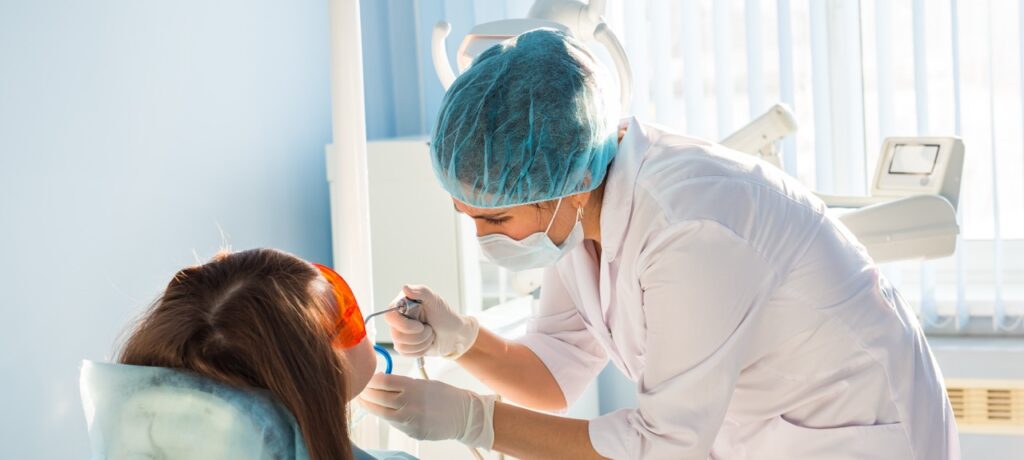
It may sound like something out of sci-fi, but laser dentistry is becoming a common and key component of oral health care today.
In 1990, the Food and Drug Administration (FDA) approved lasers for use in gum surgery. The decades since have seen advancements and continued growth in dental laser applications.
Dentists appreciate the precision that lasers provide, as well as the conservative care of the mouth that lasers make possible.
And patients who feel anxious when they hear a dental drill’s high-pitched whine appreciate the quiet and comfortable experience that comes from replacing some traditional dental instruments with targeted light energy.
Keep reading to discover more about the benefits of laser dentistry and how it is helping set a new standard of oral health care for the 21st century, including here at Penn Dental Family Practice (PDFP).
What Is Laser Dentistry?
The word “laser” is actually an acronym, although it’s rarely written as one. Coined in 1960, it stands for light amplification by stimulated emission of radiation.
In a clinical setting such as the dentist’s office, laser technology uses a focused beam of light to perform various procedures. Unlike mechanical tools, dental lasers interact directly with target tissues, providing a level of control that manual instruments can’t match, even in the most skilled dentist’s hands.
What Kinds of Lasers Do Dentists Use?
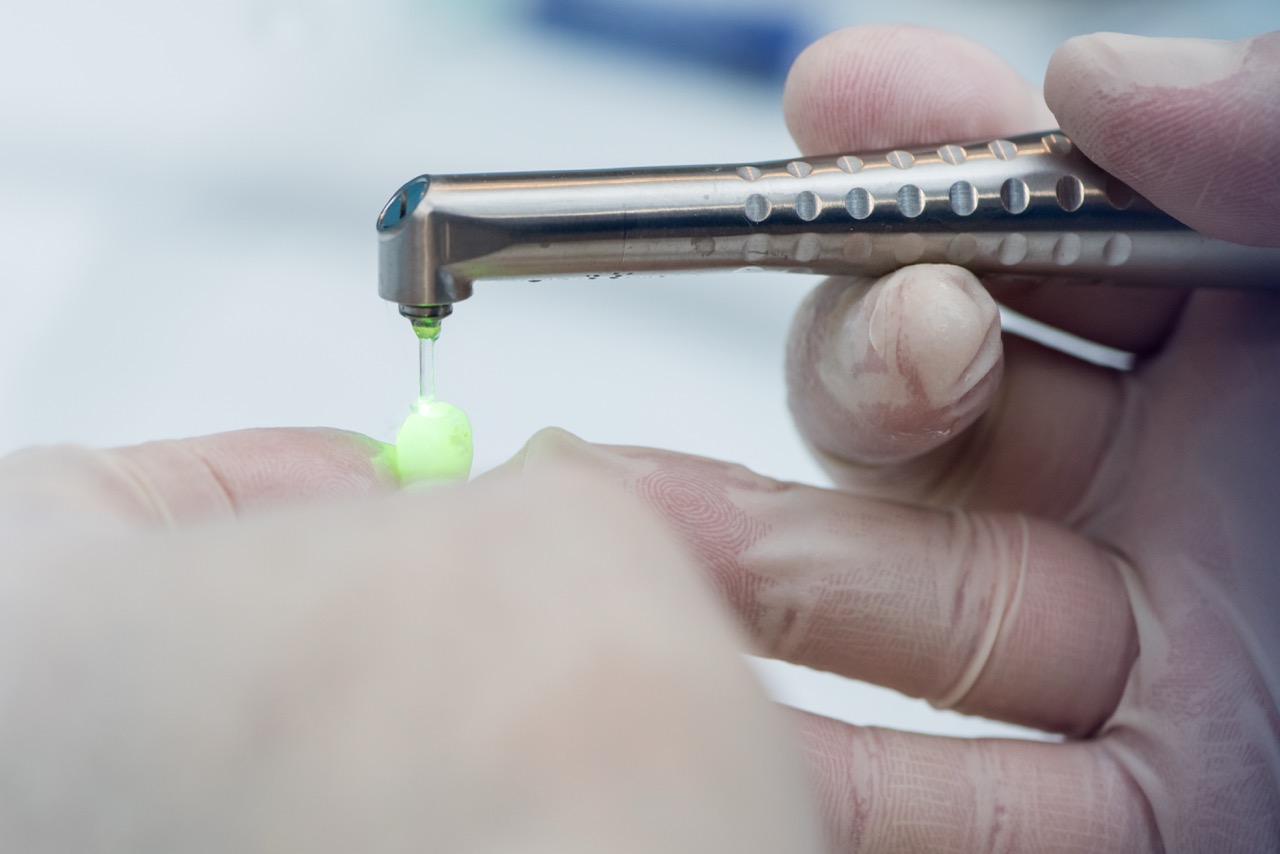 A laser’s efficacy depends on its wavelength and how specific tissues absorb that light. Dentists select lasers of different wavelengths depending on the treatment they are providing:
- Nd: YAG laser
The Nd: YAG uses a neodymium-doped yttrium aluminium garnet as the medium for its beam. It is highly effective at cutting and coagulating soft tissue, and for treating deeper, diseased gum pockets (a process known as sulcular debridement).
- Erbium lasers
Erbium lasers, such as the Er: YAG laser, use erbium-doped glass or fiber as a medium. While they can cut soft tissue, dentists primarily use them to work with hard tissue: enamel, dentin (the hard tissue directly beneath the enamel), cementum (the mineralized tissue covering a tooth’s root), and bone. Erbium lasers can remove caries (tooth decay) and prepare cavities for treatment.
- Diode lasers
Diode lasers use a solid-state semiconductor composed of aluminum, gallium, arsenide, and occasionally indium as a medium. They are the laser of choice for such soft tissue procedures such as crown lengthening (reducing a “gummy smile”), making darkened gums lighter (gingival depigmentation), and removing gum overgrowth to make dentures fit better.
What Procedures Do Dentists Perform With Lasers?
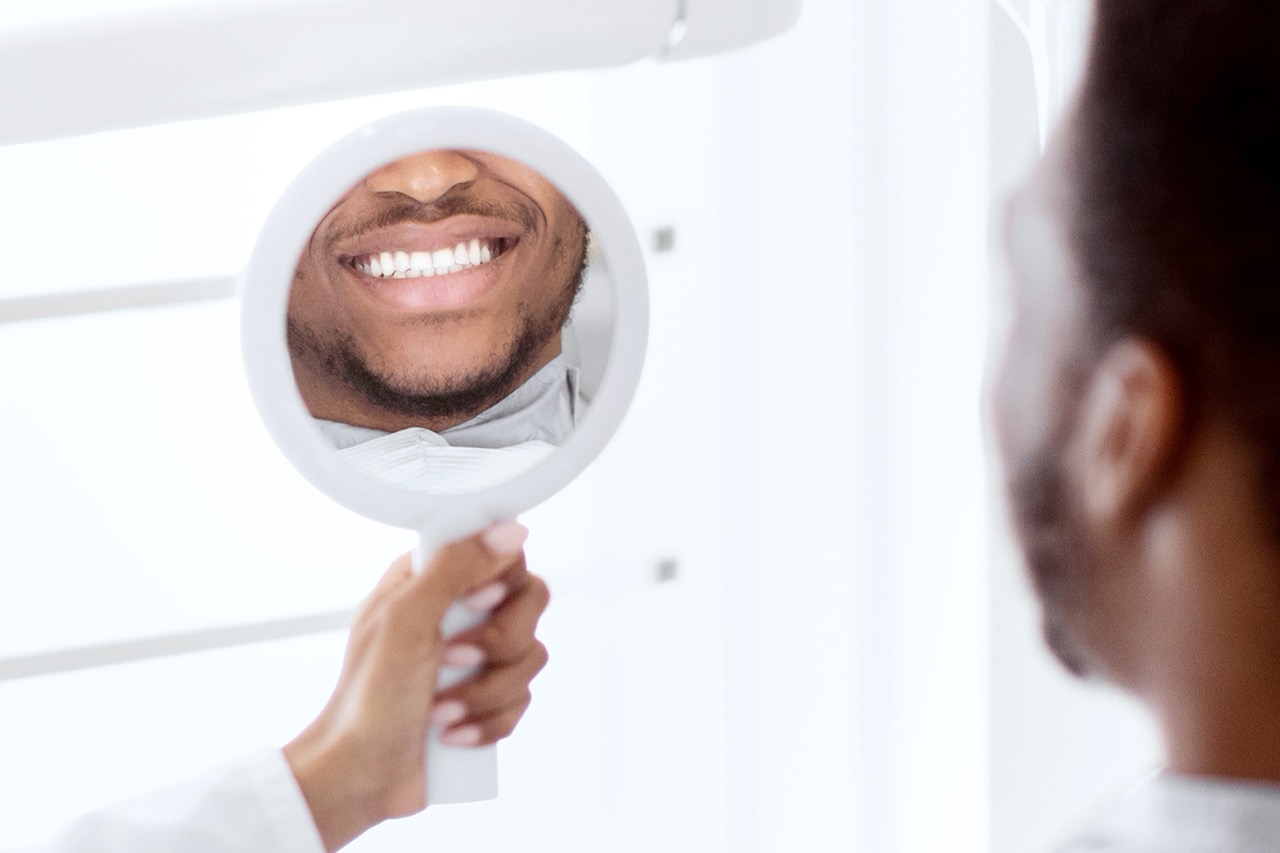 Through laser dentistry, dentists can perform many procedures with previously unattainable levels of precision, efficiency, and comfort.
- Hard Tissue Procedures
Lasers have proven revolutionary in preparing teeth for fillings. By removing decay with high-precision light, the laser minimizes trauma to the tooth. Often, dentists need not use a drill or even local anesthesia, as the laser energy doesn’t trigger the nerve response that mechanical vibration typically causes.
- Soft Tissue Procedures
When used to treat periodontal disease (gum disease), lasers target and kill bacteria living deep within gum pockets. This sterilization process stops infection and promotes healthy gum tissue’s reattachment to the root surface.
- Oral Surgery
Laser surgery is highly effective for frenectomies (a procedure to remove or modify the small band of connective tissue in the mouth) and biopsies. The laser seals blood vessels instantly, which means patients experience minimal bleeding and swelling. This laser dentistry benefit is especially important for pediatric patients undergoing simple soft tissue revisions.
- Cosmetic Enhancements
Lasers allow for precise gum contouring, helping patients achieve a more symmetrical smile. Additionally, laser-activated whitening provides faster, more dramatic results than traditional tray systems by accelerating the breakdown of stains.
- Specialty Care
Dental lasers can also accelerate the healing of cold sores and oral lesions, and can stimulate cellular function (a process called photobiomodulation) that helps soothe inflammation and relieve pain related to TMJ disorders.
Why Should I Choose a Dentist Who Uses Lasers?
Laser dentistry offers you advanced, minimally invasive treatment options that not only address a wide array of oral health issues but also enhance your overall experience at the dental office.
The advantages and benefits of laser dentistry include:
- Minimizing Any Dental Anxiety
As mentioned, dental lasers don’t involve the noise and vibration of dental drills. Laser technology creates a calmer, quieter environment, and many patients find their dental fear and anxiety significantly reduced as a result.
- Increasing Your Comfort
Because lasers don’t cause pain, many patients find they require little to no anesthesia for standard cavity preparation. When the filling is done, they can get back to their day without numb lips or a numb face.
- Protecting Your Healthy Enamel and Dentin
Lasers allow for microscopic precision. Because dentists can use them to remove only the infected area, they can preserve the maximum amount of healthy enamel and dentin. This conservative approach leads to stronger, longer-lasting restorations.
- Accelerating Your Healing and Recovery
By sealing capillaries during soft tissue procedures, lasers facilitate hemostasis (the body’s natural way of stopping bleeding and repairing injury). Patients experience far less post-operative swelling and discomfort than they do after traditional scalpel-based surgeries.
- Lowering Your Risk of Bacterial Infection
Laser light is inherently sterile. During periodontal treatments, it kills the bacteria that cause gum disease, leading to fewer post-procedural complications and better long-term oral health outcomes.
Laser Dentistry Benefits Philadelphians at PDFP

Traditional methods of dental care are still effective. In some cases, for sound clinical reasons, dentists still opt for them. But laser dentistry does represent a distinct upgrade in the quality of care.
It’s a difference that PDFP patients experience regularly.
Whether using the technology to get a cavity ready for a filling, to treat oral lesions, or to get stained teeth as white and bright as they can be, PDFP dentists are delivering the benefits of laser dentistry to our patients every day.
Trust us to bring your mouth and your smile into the 21st century. Make your PDFP appointment online now, or call us at 215-898-PDFP (7337).