Resource Library

Start Reading

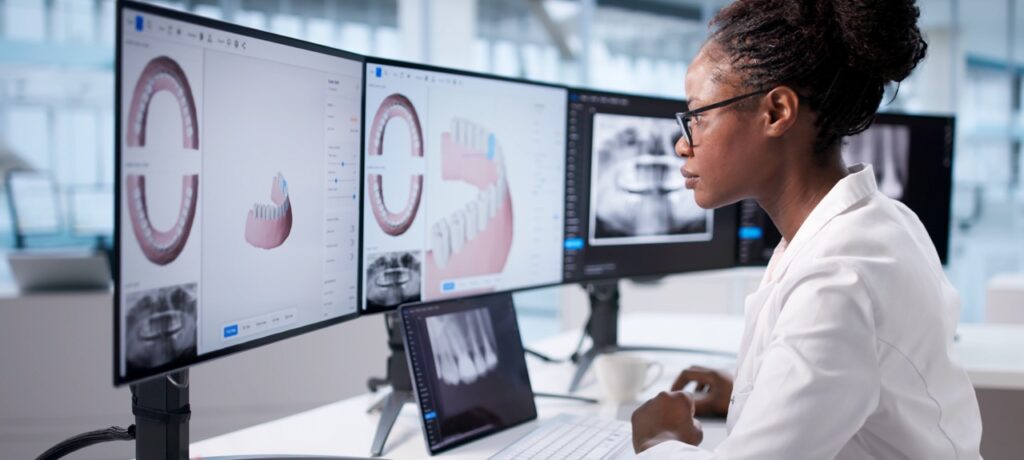
When you have questions about your health, where do you turn first for answers?
In the past, people would likely call health care providers they knew and who knew them: their doctor, their dentist, and others.
As internet access increased, people started looking online for answers. Several reputable organizations, such as the Centers for Disease Control and Prevention (CDC) and the National Institutes of Health (NIH), established online presences. However, people didn’t (and don’t) always distinguish between more and less trustworthy sources.
Today, the intersection of AI and health makes the question of where to go for reliable health information even more pressing.
Nearly eight in 10 U.S. adults are likely to look for health information online, and 75% of them say responses from generative artificial intelligence (AI) give them the answers they need, according to a survey from the Annenberg Public Policy Center of the University of Pennsylvania.
And do these Americans trust those AI-generated answers? A majority (63%) think they are somewhat (55%) or very (8%) reliable.
At the same time, nearly half (49%) aren’t comfortable with health care providers “using AI tools rather than their experience alone when making decisions about their care.”
Here at Penn Dental Family Practice (PDFP), we’re paying close attention to the presence of AI in health and medicine.
We see how this emerging technology can support more precision in diagnosis and more personalization in treatment. But we also recognize its limits, and know AI can augment but never replace human expertise and experience in providing dental care.
Artificial Intelligence in dentistry can both empower dentists with advanced tools and insights, and build patients’ confidence and trust in the treatments they receive.
AI-powered imaging tools can analyze dental radiographs (X-rays) and other visual data with remarkable precision. These systems identify subtle anomalies that the unaided human eye might miss.
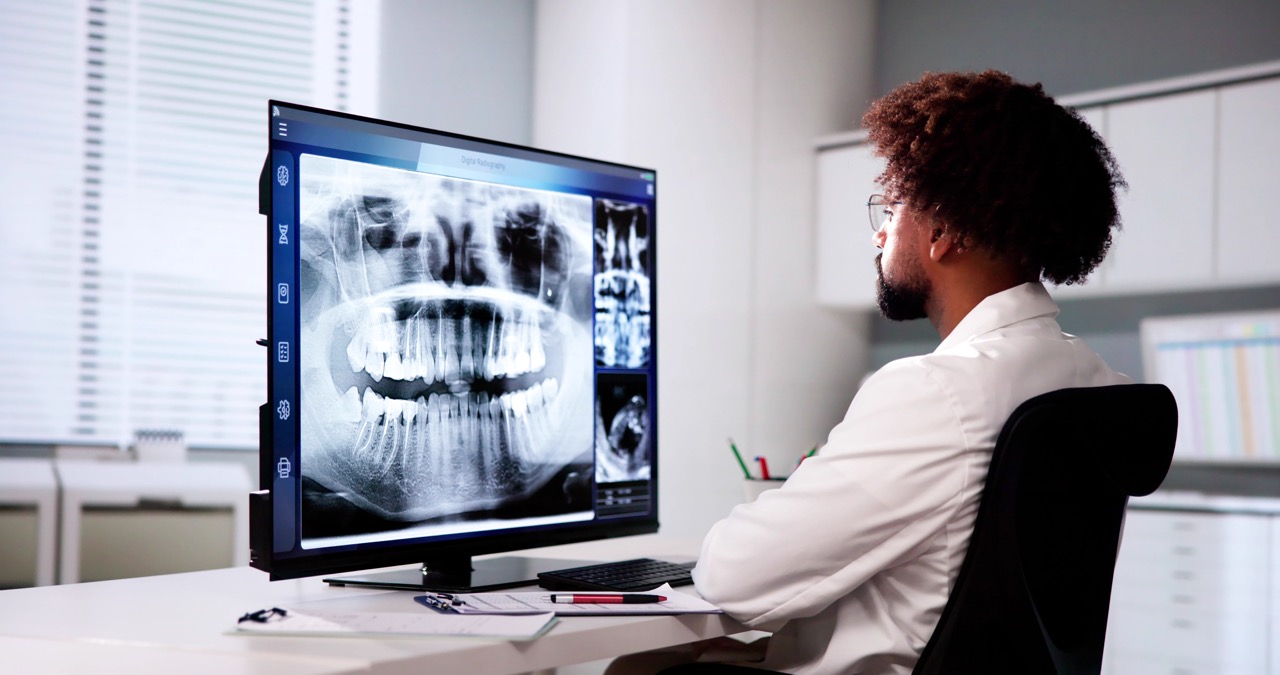
For example, some studies suggest machine learning algorithms in AI-powered imaging tools can detect dental caries (tooth decay) with an overall accuracy of 89%—3% higher than the overall accuracy of human interpretation alone.
Earlier and more accurate detection of a wide range of oral health conditions, not just tooth decay but also gum disease and even oral cancers, lets dentists make more informed decisions and start treatment sooner. Getting treatment sooner and faster reduces the patient’s risk of needing more extensive (and often more expensive) care later.
AI can be a powerful decision support system for dentists, supplying objective, data-driven insights that enhance a dentist’s own clinical judgment.
In effect, AI can act as a reliable “second option.” The algorithms’ ability to simultaneously process extensive medical literature and patient-specific information can free up dentists to focus on complex decision-making and nuanced aspects of care.
While few dentists or their patients express confidence in fully AI-generated diagnoses or dental care performed by a computer-controlled machine, many more support using AI for data collection and analysis. A 2025 study in the Journal of Medicine and Life found that about 45% of dentists, dental students, and patients support such use of the technology, underscoring its potential to be a powerful assistive tool.
Once a diagnosis is confirmed, AI significantly enhances personalized treatment planning.
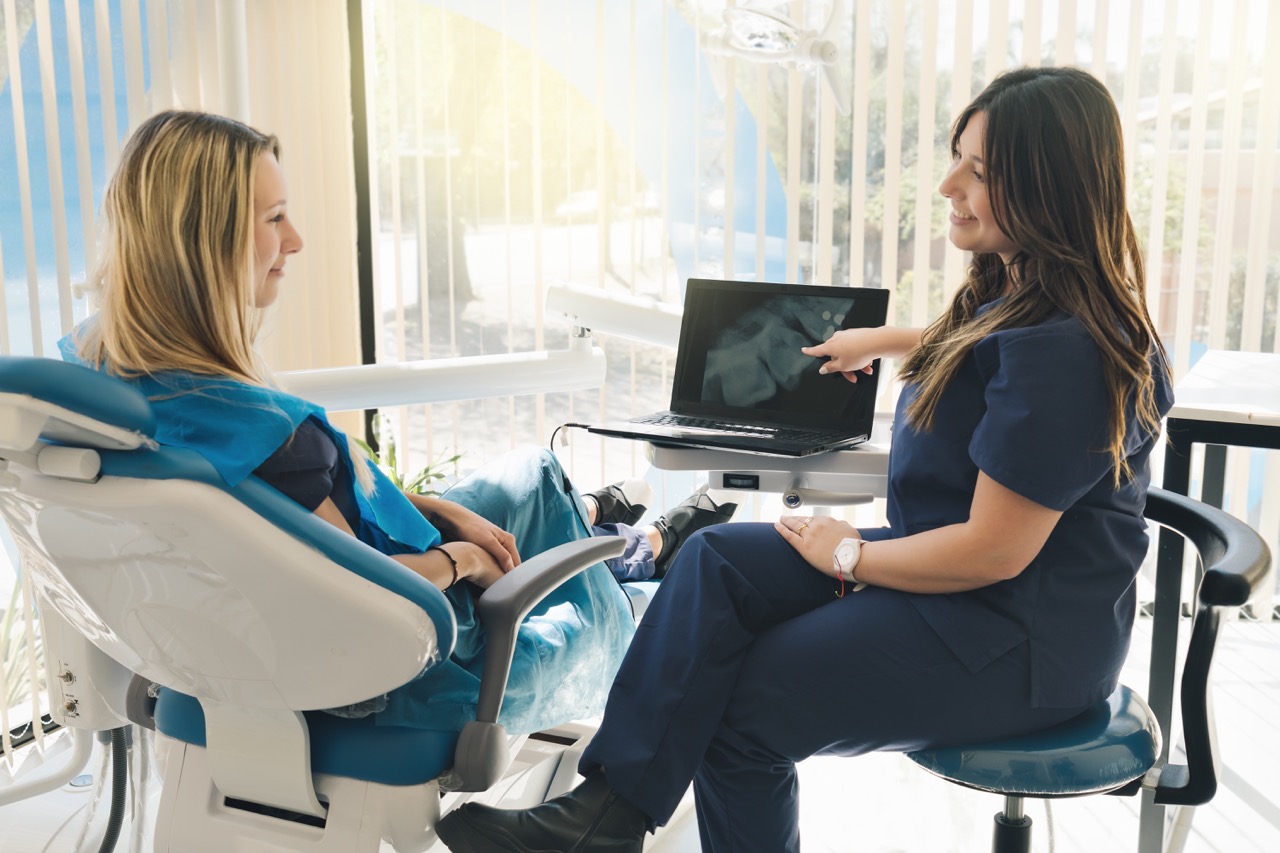
By evaluating patient data from diagnostic images and medical history to genetic predispositions, AI algorithms can predict potential treatment outcomes with a high degree of accuracy. As a result, dentists can confidently craft individualized treatment strategies, rather than feel forced to rely on generic solutions.
AI can optimize treatment sequencing, recommend effective therapeutic options, and even model how effective long-term interventions will be. This data-driven approach ensures treatments put patients on the most efficient path to their best possible oral health.
Here at PDFP and across Penn Dental Medicine, AI plays an informative and supportive role in how we design and deliver dental treatment. We use it to process existing clinical data and medical research in order to help us ensure our patients are getting the most accurate diagnoses and the most effective care.
For example, the Living Guideline Program, a collaboration between the American Dental Association (ADA) and Penn’s Center for Integrative Global Oral Health, uses AI to build and maintain systematic reviews of scientific literature in order to sift through it for what could shape evidence-based best clinical practices. The program dramatically reduces humans’ workload, although people remain “in the loop” to provide oversight and verification.
Penn Dental researchers are also using AI tools to predict the progression of gum disease, detect root tip/canal and rare jaw lesions in digital dental images, and simulate how the flow of fluids between tumors and their surroundings influences the tumors’ growth.
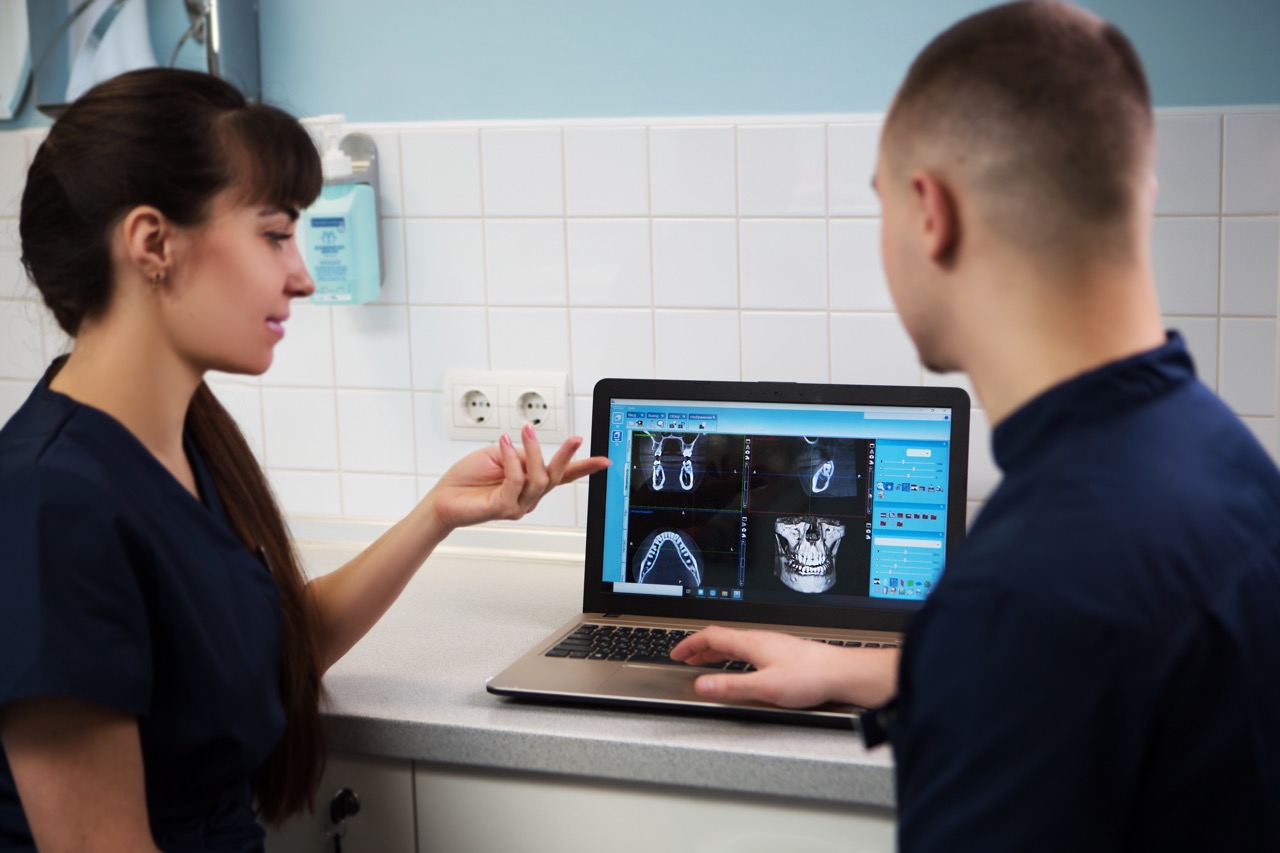
“The integration of artificial intelligence into clinical dentistry represents a paradigmatic shift toward precision-based oral healthcare,” PDM’s Dr. Markus Blatz wrote in the Compendium of Continuing Education in Dentistry. While the need for comprehensive training and concerns about costs remain, AI in dental care has already demonstrated “significant promise.”
As PDFP continues to explore the intersection of AI and health care, you can be confident that we are using it, as we do so many other tools and resources, to provide you with the best possible care and the best possible outcomes.
We don’t substitute an algorithm’s conclusions for our clinical judgment, formed through years of advanced education and successful practice, and we know the human element in your dental care is indispensable.
Make your appointment at PDFP online now, or call us at 215-898-PDFP (7337).