Resource Library

Start Reading
Oral health care is evolving. Technologies now driving innovation in other fields are also transforming how dentists deliver services and how patients experience them.
Here at Penn Dental Family Practice (PDFP), current dental industry trends are shaping our practice in some exciting ways. Keep reading for an overview of how our providers and patients alike are benefiting from the future of dentistry today.
Adoption of artificial intelligence (AI) is one of today’s most significant dental industry trends.
More than two out of five dentists (43.3%) who responded to a major national survey from the American Dental Association (ADA) use AI for at least one type of task in their practices. Another quarter of respondents (26.4%) say they plan to use it.
What can AI in dentistry do?
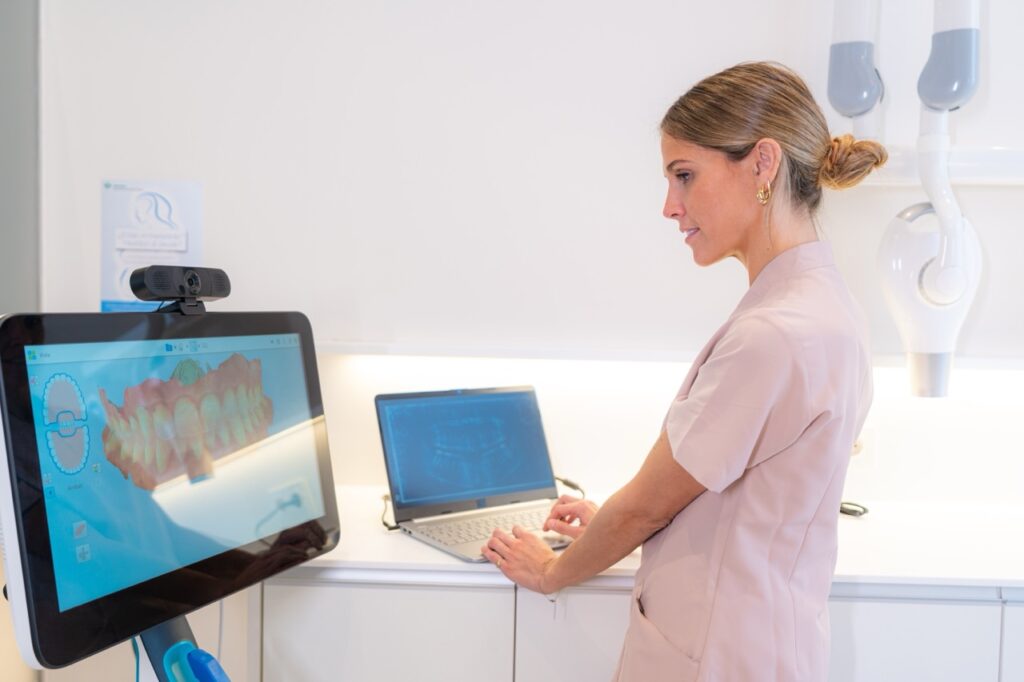
AI has the potential to transform the dental industry on an even larger scale.
For instance, the University of Pennsylvania School of Dental Medicine, with which PDFP is associated, counts among its faculty Cornelia Walther. Dr. Walther is a visiting scholar at the Center for Integrative Global Oral Health. A humanitarian practitioner with the United Nations for more than two decades, she researches how to use AI as a force for social good, including improved oral health.
For all of AI’s transformative impact on dentistry, dentists remain guarded in their adoption of it. That same ADA survey found that four out of five dentists (82.6%) don’t plan to use AI for treatment recommendations, and two-thirds (68.3%) don’t plan to use it to explain clinical findings to patients.
Dental professionals, including those here at PDFP, remain committed to the human dimensions of dentistry. AI can be a powerful assistant, but it can’t eliminate the importance of dentists’ face-to-face relationships with and knowledge of those for whom they care.
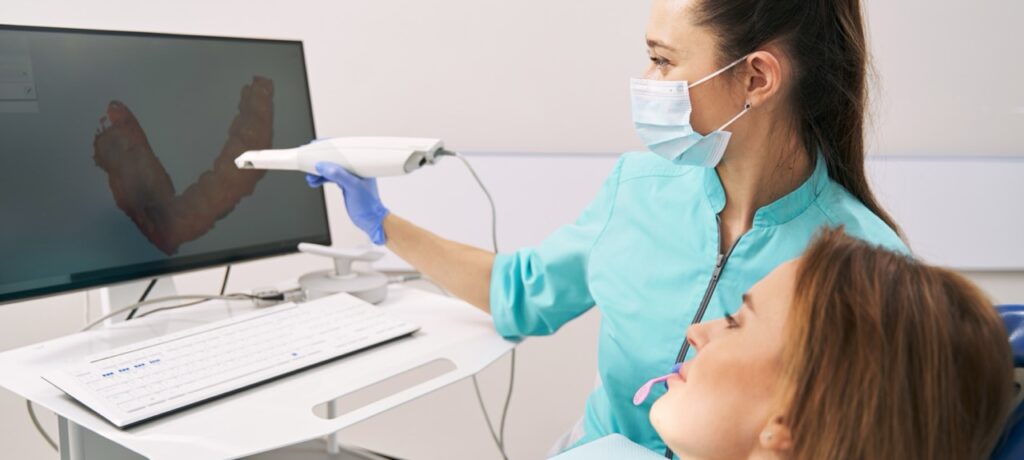
Digital dentistry is the use of such technologies as 3D scanning and computer-aided design and computer-aided manufacturing (CAD/CAM) systems to make many dental treatments faster, more accurate, and more comfortable for patients.
For example, the intraoral scanner we use eliminates the need for conventional, messy dental molds. We plan crown and bridge replacements based on a digital 3D scan of patients’ mouths rather than traditional impressions.
 Digital scanners can also create a virtual, 3D replica of a patient’s entire face, used to evaluate how changes in the teeth will affect facial appearance.
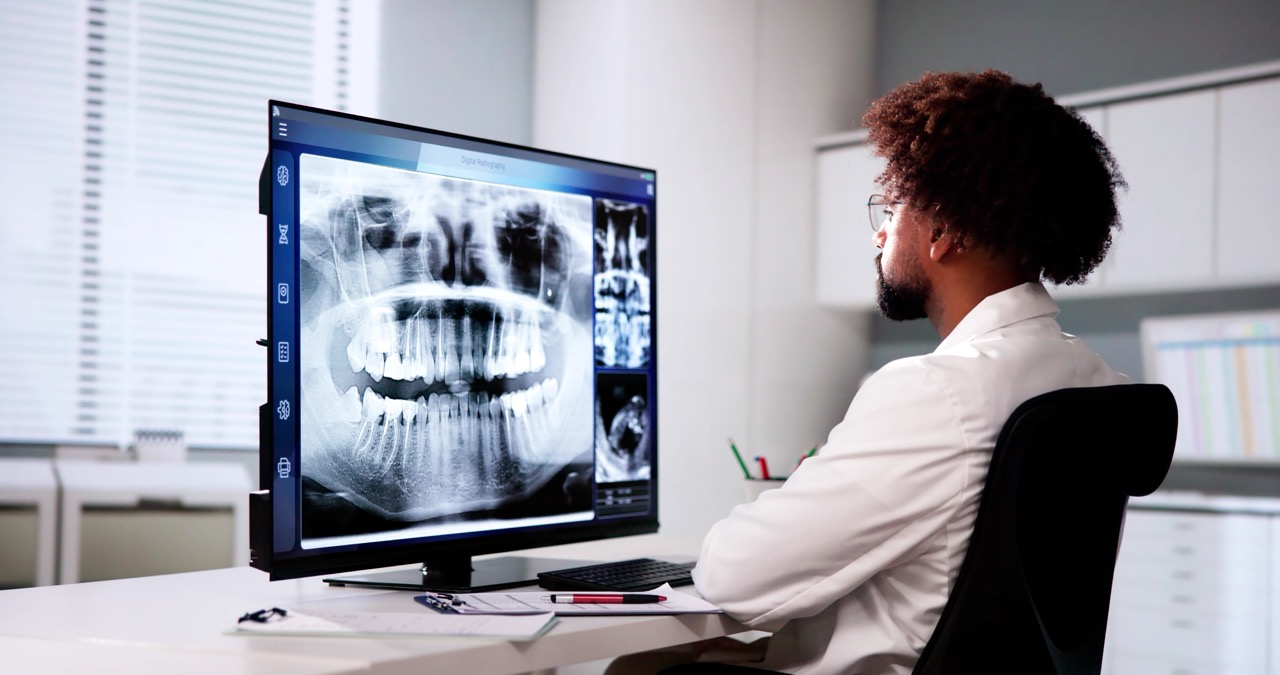
Even the X-rays (radiographs) we take during routine dental visits are no longer on film that must be developed. They are now completely digital images.
“I can ensure improved patient comfort and more predictable treatment outcomes using the available digital dentistry resources at PDFP,” says prosthodontist Dr. Nupur Patel. “I use the intraoral scanner for almost every appointment, from diagnostics to treatment. Digital smile design has improved the way I plan my cases, and my patients get a snapshot of their outcome before any treatment begins.”
While digital dentistry is reshaping all dental specialties, it has had a particular impact on cosmetic dental trends. Three-dimensional printing allows for precise, patient-specific solutions that enhance both function and aesthetics. Meanwhile, the integration of AI in diagnostic and treatment planning improves accuracy and predictability in smile design.
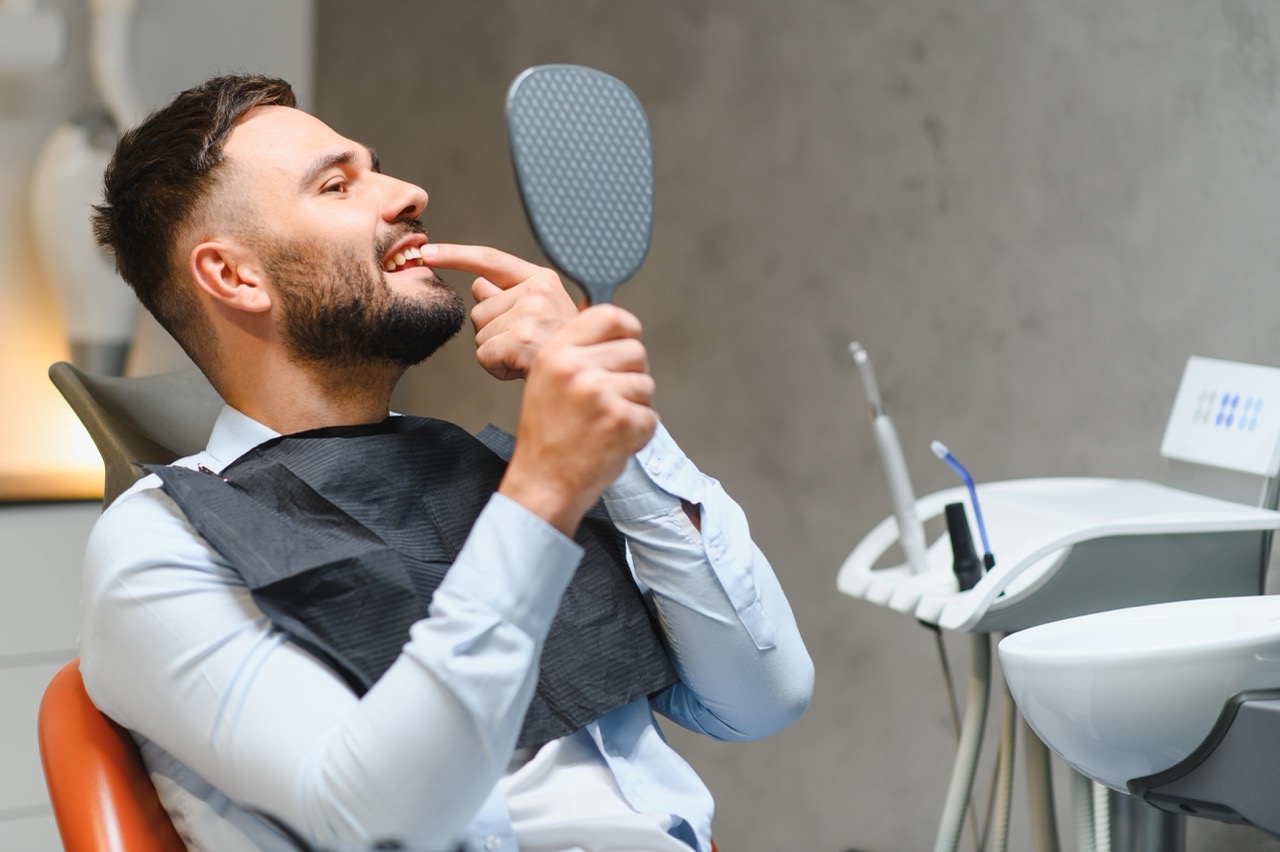
Thanks to digital technologies, patients have more options than ever for achieving the smile they want.
 Dental clinics and practices are embracing eco-friendly practices to minimize their environmental footprint. They are adopting energy-efficient technologies and using more biodegradable dental products, such as eco-friendly toothbrushes and flossers.
Several Penn oral health professionals go further than “green” dentistry. For instance, Dr. Julian Fisher, Director of Oral and Planetary Health Policies within the Center for Integrative Global Oral Health at Penn Dental Medicine, studies how all policy approaches water, agriculture, urban planning, and more can support and sustain better oral health around the world.
Through sustainable dentistry, the dental industry showcases a dual commitment to improving oral health and championing environmental stewardship.
Dentistry now more readily recognizes the interconnection of oral health and overall well-being. This paradigm shift moves away from reactive treatments toward proactive strategies, emphasizing preventive measures as key to quality dental care.
At PDFP, we’ve been ahead of this trend. We have long stressed the relationships between oral and overall health.
For example, we’ve routinely told our patients their mental health can have a major impact on their oral health. When appropriate, our dentists encourage patients to practice stress-management techniques that help mitigate the risks stress poses to oral health and good oral hygiene.
We also champion healthier diets for patients of all ages. Good nutrition and healthy lifestyle choices, such as limiting alcohol and avoiding tobacco, are good for your whole self, including your teeth and gums.
In addition, when patients face specific adverse health conditions, we can coordinate care with other medical professionals to help improve oral health outcomes. For instance, treatment for breast cancer can cause dry mouth, oral sores, and a greater risk of oral infections. We believe oncologists and dentists must work together to provide holistic care.
All these dental industry trends are bringing great advances and seismic changes, but one thing that isn’t changing at PDFP is our commitment to providing exceptional care.
Using the latest technology and evidence-based techniques, we continue to offer advanced, comprehensive, compassionate services that help you and your loved ones achieve and maintain optimal oral health.
Experience the PDFP difference for yourself.
Schedule your appointment online now or call us at 215-898-PDFP (7337).