Resource Library

Start Reading

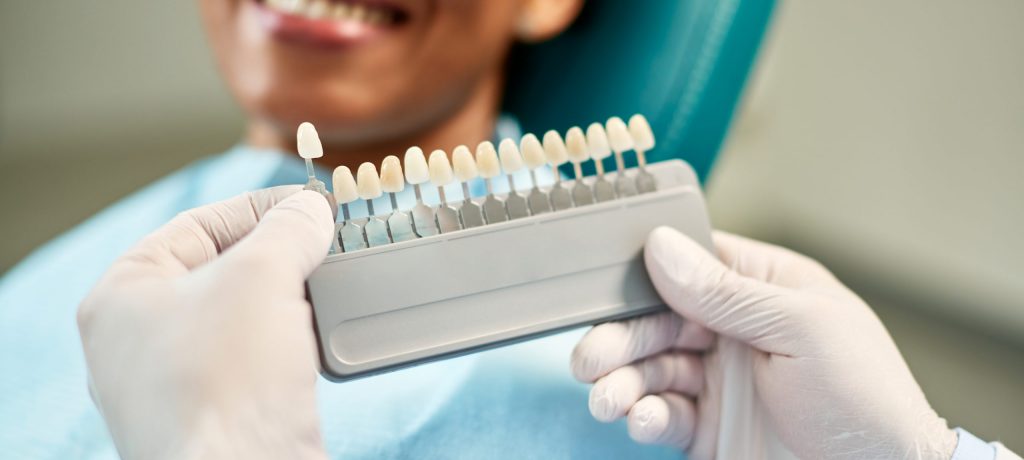
Most people know that orthodontics is for straightening teeth. Tooth whitening has a self-explanatory name. But what are veneers—and might they be the right way to correct your smile?
If you don’t require significant orthodontic treatment, or if your teeth haven’t responded well to whitening treatments, dental veneers may be a great option. Applied to change the color, size, shape, and angle of the teeth, veneers can give a smile an almost instant makeover.
Keep reading for more information about what veneers are and how the expert cosmetic dentists at Penn Dental Family Practice (PDFP) can use them to give you a brighter smile.
 Dental veneers are thin layers of porcelain or other strong materials that cover the front surface of the teeth. They are the color of tooth enamel and are customized for each patient.
Some patients who try traditional bleaching to whiten their teeth don’t get long-lasting results. When teeth are internally discolored, they may revert to their stained state sooner than expected. For these patients, veneers are a way to get the whiter smile they want.
Veneers can also camouflage poorly shaped or slightly crooked teeth. Veneers don’t change teeth’s positioning, so they are not a substitute for necessary orthodontic treatment. But they can be a satisfying aesthetic solution when misalignment isn’t serious enough to warrant orthodontic intervention.
Patients also want dental veneers because they are easy to maintain. They require no special care beyond routine proper oral hygiene. When you brush your teeth for two minutes twice a day and floss daily, veneers typically last from seven to 10 years, and sometimes even 20 years or longer.
Sometimes, patients ask us if we provide dental veneers for missing teeth. Because veneers work by being bonded to natural teeth, they cannot replace completely missing teeth. But they can fill in small gaps in your teeth and improve the appearance of your smile with only minor misalignment issues.
Most patients choose porcelain or composite veneers.
Porcelain veneers provide superior durability and strength. Because they use higher-quality material. However, these veneers cost more than composite veneers.
Porcelain veneers also require additional preparation time and manufacturing in an off-site dental lab. But these veneers’ high level of polish makes them ideal for people who want a cosmetic treatment that resists stains and discoloration over the long run.
Composite veneers are made from a resin that is less expensive than porcelain. They are used to fix minor cosmetic issues and close gaps between the teeth. Composite veneers can often be fabricated and placed within a single office visit. Their lower price makes them easier to replace than porcelain veneers.
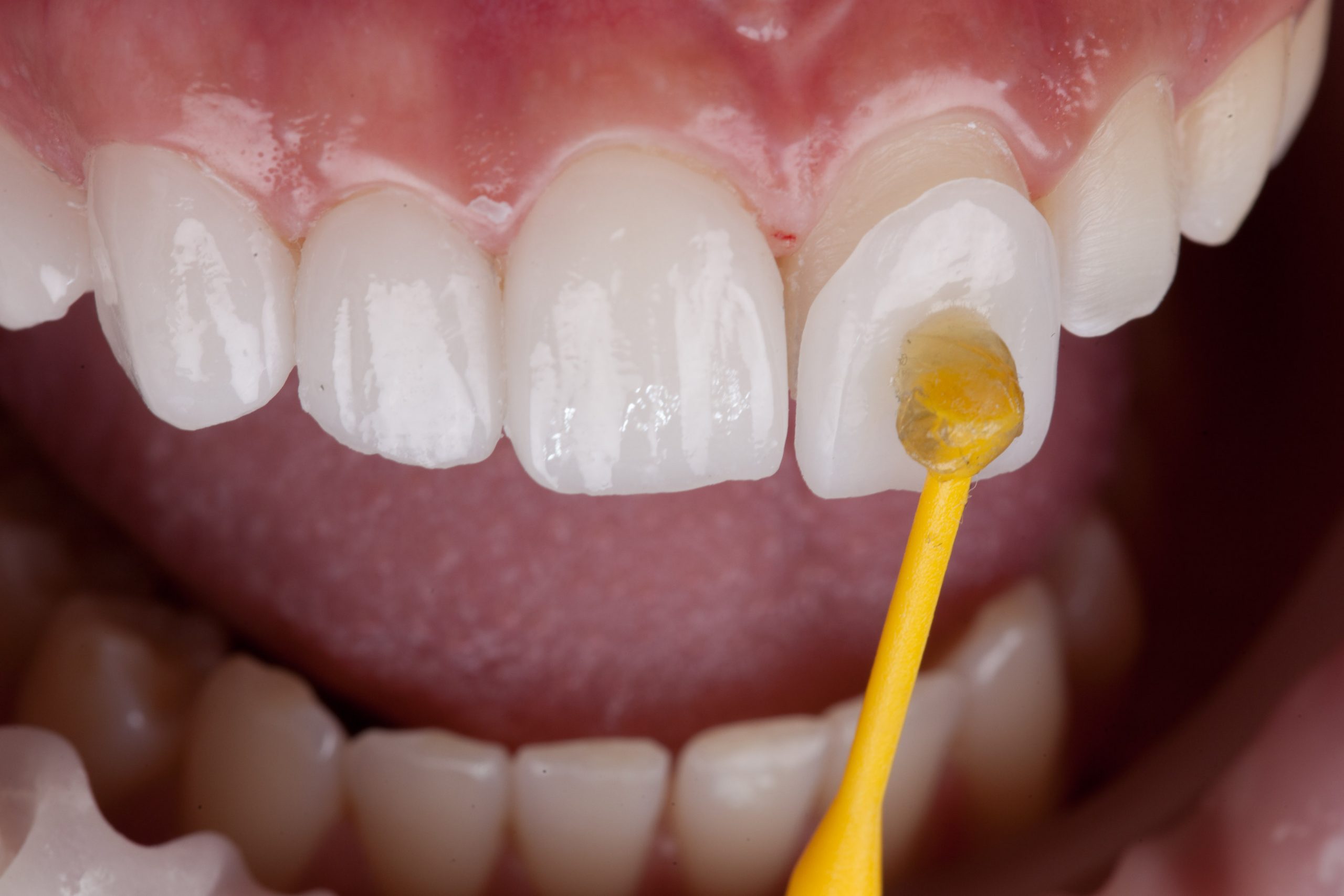 You can expect to make up to three visits to your dentist during the process of placing your veneers: one visit for your consultation, and two for making and applying your veneers.
At your first consultation, you will explain what you want your teeth to look like. Your dentist will examine your teeth and assess your oral health. If necessary, they will prescribe treatment for such issues as tooth decay or gum disease before veneer placement.
On your second visit, your dentist will remove a small amount of enamel from the tooth’s surface—about 0.5 millimeters, the veneer’s approximate width. Your dentist will then make a model of your teeth to send to the dental lab. The lab will custom-manufacture veneers to match the specific teeth being treated.
Manufacturing porcelain veneers takes two to four weeks. Composite veneers, on the other hand, can often be fabricated on the same day as your placement procedure.
Your dentist will compare the veneers’ teeth and color to your other teeth before application. They may trim the veneer to achieve a proper fit or adjust the color using cement.
Next, your dentist will clean, polish, and etch your tooth to ensure a strong bond with the veneer. After placing cement on the veneer, your dentist will position it on the tooth and shine a special light on it to activate the bonding process. This dental curing light makes the chemicals in dental cement harden very quickly.
Finally, your dentist will remove excess cement and make any necessary adjustments. They may recommend a follow-up appointment to check how your gums respond to the veneers’ presence.
How much do veneers cost? At PDFP, we work with patients to make veneers affordable. We accept most third-party dental insurance and have a variety of flexible payment options.
 Do you want to know more about what veneers are and how they can help you achieve the smile you want? The cosmetic dentists at PDFP would love to talk with you.
PDFP offers veneers and other cosmetic dentistry procedures as part of our comprehensive care. Cosmetic reasons may motivate your first visit to us, but should you discover you need treatment for an underlying condition, you can receive all your dental care under the same roof, at either of our convenient Philadelphia locations.
To request your initial consultation, schedule your appointment online or call 215-898-PDFP (7337).